Explore Norris Geyser Basin: Yellowstone's Hottest Trail Guide
Nestled within the vibrant heart of Yellowstone National Park lies the mesmerizing Norris Geyser Basin, a true testament to the Earth's raw power. Renowned as the hottest and most acidic hydrothermal area in the park, Norris offers an unparalleled experience for visitors eager to witness nature's dynamism up close. For those seeking an immersive journey through steaming vents, boiling pools, and erupting geysers, the Norris Geyser Basin loop trail is an essential Yellowstone adventure. This comprehensive guide will help you navigate this incredible landscape, ensuring you make the most of your visit to one of the planet's most active volcanic regions.
Unveiling the Unique Intensity of Norris Geyser Basin
What sets Norris apart from Yellowstone's other famous geothermal areas, such as Old Faithful's Upper Geyser Basin or Grand Prismatic Spring's Midway Geyser Basin? Its sheer intensity. The temperatures here often exceed the boiling point of water (which is around 200ºF or 93ºC at Yellowstone's elevation), and its waters are remarkably acidic. This extreme environment is a direct consequence of Norris Geyser Basin's unique geological position. It sits at the intersection of three major fault lines, including a ring fracture from the massive Yellowstone Caldera eruption 640,000 years ago. This intricate network of subterranean fractures allows superheated water and gases to escape from deep within the Earth's crust, creating the breathtaking, and sometimes volatile, features we see today. For a deeper dive into the basin's geological marvels, explore Norris Geyser Basin: Discover Yellowstone's Dynamic Hydrothermal Heart.
Unlike many other basins where features might remain relatively stable for years, Norris is in a constant state of flux. New hot springs and geysers can emerge annually, while others become dormant. Small earthquakes, changes in underground water pressure, and even the chemistry of the hot springs—which can dissolve rock in some areas and deposit minerals, choking off flow, in others—all contribute to this ever-evolving landscape. Clear pools can suddenly turn muddy and boil violently, or even temporarily transform into geysers. This dynamic nature means that no two visits to Norris Geyser Basin are ever exactly alike, promising a fresh spectacle each time.
Navigating the Norris Geyser Basin Loop: Your 3-Mile Journey
The primary way to experience Norris Geyser Basin is via its well-maintained network of boardwalks and marked trails, collectively forming the iconic Norris Geyser Basin loop. This trail system is divided into two distinct main loops: the Porcelain Basin and the Back Basin, with several convenient cut-throughs allowing for flexibility in exploration. To truly Conquer Norris Geyser Basin: Your 3-Mile Loop Guide to Yellowstone's Wonders, plan for an immersive journey.
- Duration: Allow 1 to 2 hours to comfortably walk the entire 3-mile round trip. Rushing through means missing many of the subtle, yet spectacular, details.
- Distance: The full circuit, combining both the Porcelain and Back Basins, covers approximately 3 miles of walking.
- Trail Type: Mostly boardwalks, with some packed dirt trails. It's a loop, so you'll always find your way back to the parking area.
- Elevation Change: The trail features a manageable elevation change of about 190 feet. While mostly flat, there are a few short sections with moderate grades, so comfortable walking shoes are a must.
The Porcelain Basin Loop
Often the first section visitors encounter, the Porcelain Basin offers expansive, panoramic views of numerous hot springs and fumaroles. Its landscape is characterized by its stark, open feel, with bright white and pale blue pools that seem to steam directly into the sky. The relatively clear, acidic waters and barren terrain here are a stark contrast to other areas of the park. You'll witness countless steam vents, bubbling acidic pools, and a pervasive, sulfurous scent that reminds you of the immense power bubbling just beneath your feet. This loop is generally more exposed to the sun, offering fewer shaded respites.
The Back Basin Loop
Venturing into the Back Basin provides a different, often more intimate, experience. This loop tends to be more forested, offering a welcome break from the direct sun in certain sections. The geothermal features here are often more concentrated and diverse, including impressive geysers like Steamboat Geyser (the world's tallest active geyser, though its eruptions are infrequent and unpredictable), smaller, more consistently active geysers, vibrant mud pots, and a variety of colorful hot springs. The geology feels more immediate and dramatic, with opportunities to observe the intricate details of mineral deposits and the constant churning of thermal waters.
Practical Tips for an Optimal Visit to Norris Geyser Basin
To ensure your experience on the Norris Geyser Basin loop is as enjoyable and safe as possible, keep the following practical tips in mind:
- Best Time to Visit: The ideal period to visit Norris Geyser Basin, like most of Yellowstone's geyser basins, is from late spring through early fall. During these months, park roads are open, and the weather is generally more favorable.
- Avoiding Crowds: Norris can get very busy. To experience the basin with more tranquility, aim to arrive early in the morning, before 8 AM, or later in the afternoon, after 4 PM. These times often provide better opportunities for wildlife viewing as well.
- Sun Protection: A significant portion of the boardwalks, especially in the Porcelain Basin, is exposed to direct sunlight. Bring sunscreen, a hat, and sunglasses, even on cloudy days.
- Hydration: Carry plenty of water. Walking 3 miles, even on flat terrain, can be dehydrating, especially under the sun.
- Footwear: Wear comfortable, closed-toe walking shoes. While mostly boardwalks, some sections are paved or dirt trails, and you'll appreciate the support.
- Stay on Boardwalks: This is paramount for your safety and the preservation of this fragile ecosystem. The ground around hydrothermal features can be dangerously thin, extremely hot, and highly acidic. Veering off the designated path can lead to severe injury or death.
- Wildlife Awareness: While focused on the geysers, remember you are in wildlife territory. Keep an eye out for bison, elk, or other animals that might be near the trails. Maintain a safe distance.
- Photography: This is a photographer's paradise. Bring your camera, but be mindful of other visitors and do not block the path for extended periods. The steam and light can create stunning, ethereal shots.
The Dynamic Heart of Yellowstone
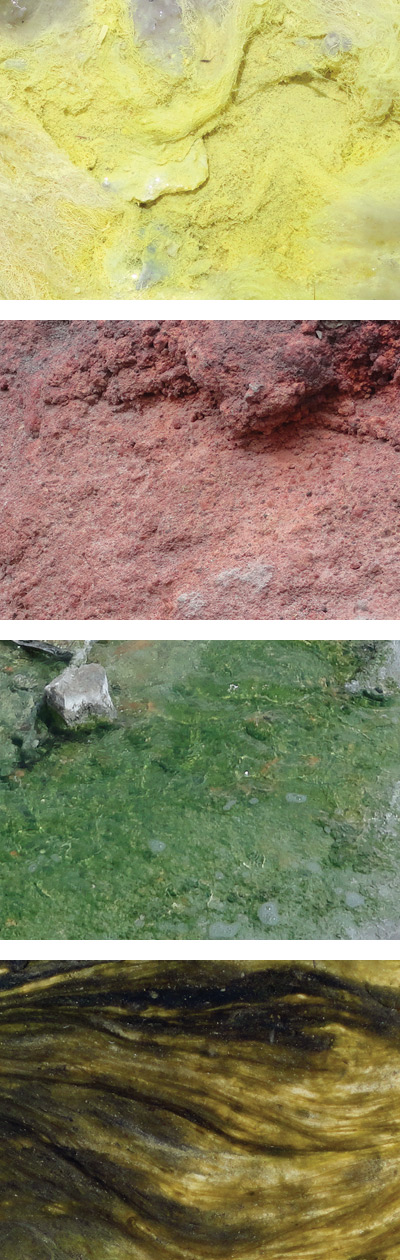
The Norris Geyser Basin is more than just a collection of hot springs and geysers; it's a living, breathing geological wonder, constantly reinventing itself. Each visit offers a unique snapshot of Yellowstone's hydrothermal pulse, a raw demonstration of the forces shaping our planet. From the vivid colors of its mineral deposits to the powerful roar of a fumarole, every step along the Norris Geyser Basin loop is a reminder of the Earth's enduring power and beauty.
Embarking on the Norris Geyser Basin loop is an unforgettable journey into the most intense and ever-changing corner of Yellowstone National Park. With its dramatic landscapes, powerful thermal features, and dynamic geological processes, it offers a profound appreciation for the natural world. Plan your visit wisely, respect the environment, and prepare to be utterly captivated by the raw energy of Norris Geyser Basin.
